Begin with a friendly loom
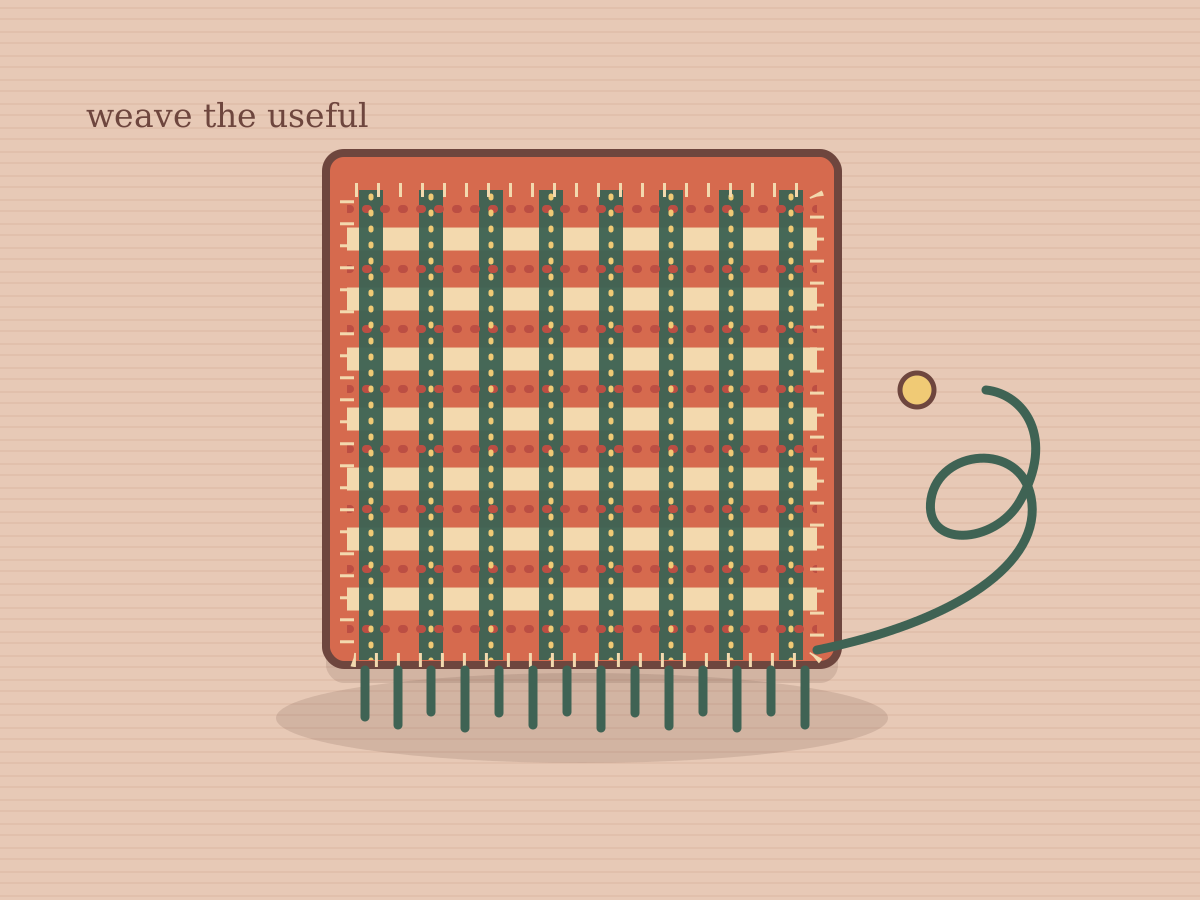
You do not need a large frame to understand weaving. A sturdy piece of cardboard with shallow notches creates a small field where the warp stays visible and the weft can travel over and under. The Woven Yarn Coaster keeps the shape modest so you can focus on keeping the edges even and noticing how yarn choices change the surface.
Keep the edges even
The warp should be firm enough to guide the needle, but it should not pull the cardboard into a curve. As you pass the weft, leave a small loop at the edge and gently nudge the row into place. Packing every row tightly can make the square narrow; leaving too much space can make the surface open. A few rows will teach you what this particular yarn wants.
- Use a blunt needle and a smooth yarn for the first pass.
- Change colours at the side and leave tails long enough to tuck.
- Check the width after every few rows instead of waiting until the end.
- Cut only the back warp strands across the woven middle, then tie adjacent ends before trimming fringe.
Finish the back with care
Once the woven square is free, secure the neighbouring warp ends in pairs before trimming them. Weave loose weft tails through the back rather than tying large knots. You can repeat the same loom with a different two-colour palette when you want to explore variation without learning a new structure.
Pause every few rows and compare the width with your ruler. Small adjustments are easier while the yarn is still loose.